
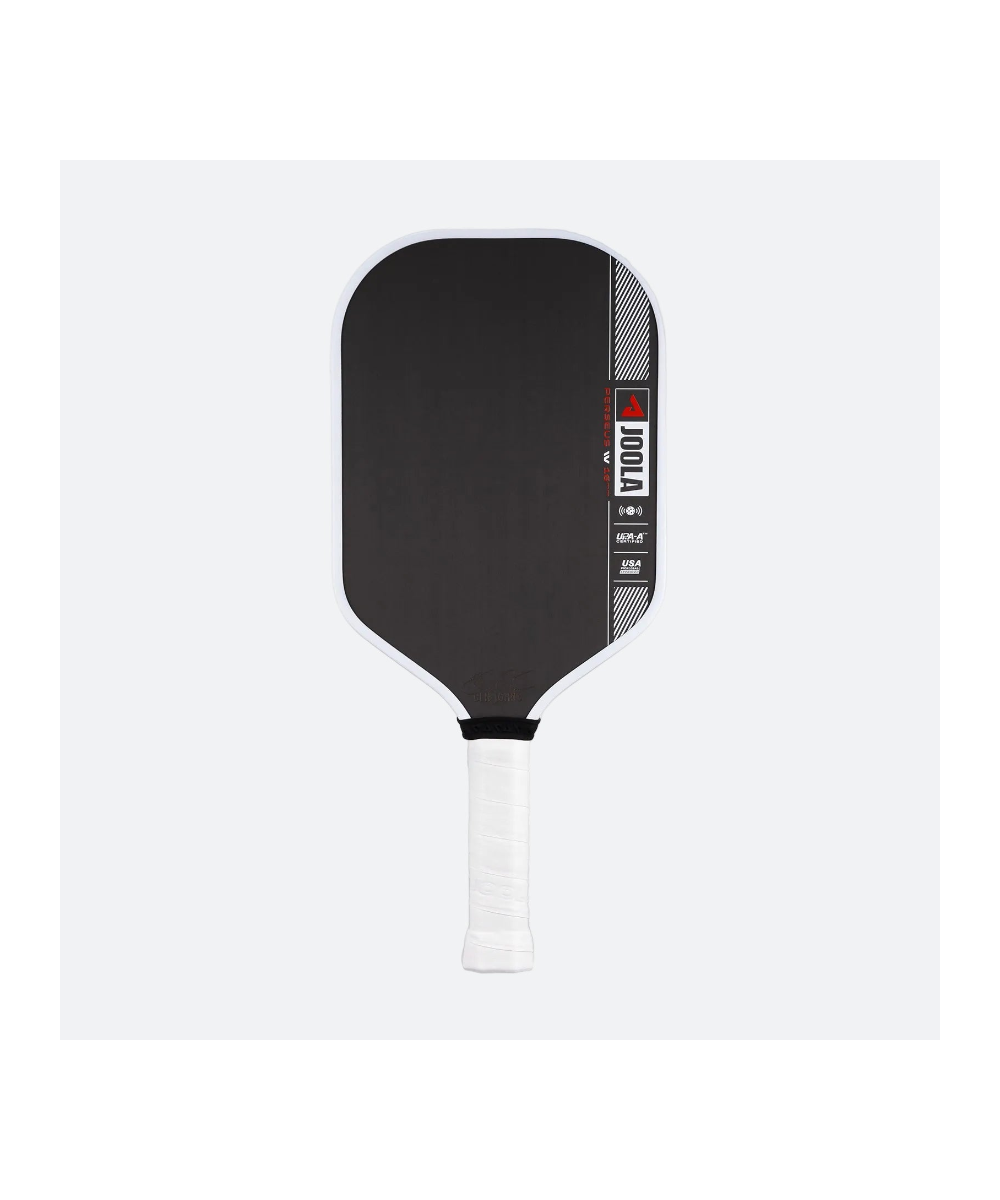
Picking the best pickleball paddles for 2026 comes down to a fight between marketing claims and what real owners actually experience on the court. On this page we rank the 7 top-rated paddles using three inputs: aggregated verified owner reviews, published USA Pickleball approval data, and manufacturer spec sheets that we cross-check against independent lab measurements. We do not accept sponsored scores, and we flag every place where the data is thin or contradictory.
How We Ranked the Best Pickleball Paddles 2026
Every paddle on this list had to clear three hurdles before it could earn a top-rated slot. First, it had to have a statistically meaningful volume of verified owner reviews across at least two major retailers. Second, its stated specs (weight, core thickness, surface material, grip circumference) had to match what owners report measuring once the paddle arrives. Third, it had to be currently legal for tournament play under the USA Pickleball approved paddle list. Paddles that fail any of those checks are excluded regardless of how attractive their marketing is.
What the 2026 data says about paddle materials
The clearest signal in this year’s owner data is that carbon fiber and thermoformed paddles dominate the premium tier, while fiberglass remains the sensible budget choice. Carbon surfaces generate more spin and hold their texture far longer than fiberglass faces, which is why players who prioritize spin-heavy dinks and drives gravitate toward carbon. Thermoformed construction adds torsional stability and a more connected feel on off-center hits, though it also tends to raise the price and the swing weight.
The core thickness tradeoff every buyer should understand
Thinner cores (around 13-14mm) play faster and deliver more pop, which suits aggressive players who want the ball off the face quickly. Thicker cores (16mm or more) increase control and forgiveness but reduce pop and add weight higher in the paddle. The data consistently shows that intermediate players rate 14mm paddles best for all-around feel, while advanced players gravitate toward either end of the spectrum depending on whether they attack or defend first.
Balancing power and control in one paddle
The search for the best pickleball paddle for power and control is really a search for the least painful compromise, because the two properties pull against each other physically. Power comes from a springier, thinner core and a stiffer, head-heavier build that returns more energy to the ball. Control comes from a thicker core that absorbs energy and a more evenly balanced head that stays stable through a soft reset. No paddle maximises both at once, and any brand claiming otherwise is selling you the marketing rather than the physics.
What the better paddles do is shift where the compromise sits. A 16mm thermoformed paddle with a foam-filled perimeter, for example, keeps the longer dwell time and forgiveness of a control paddle while the stiffened edge recovers some of the drive power a thick core normally gives up. That is why hybrid-shaped 16mm thermoformed paddles now dominate the middle of most owner-rated lists. If you want to see how far the control end of that spectrum goes, our guide to the best control pickleball paddles breaks down the specs that matter most for soft play.
How Much Should You Spend on a Pickleball Paddle?
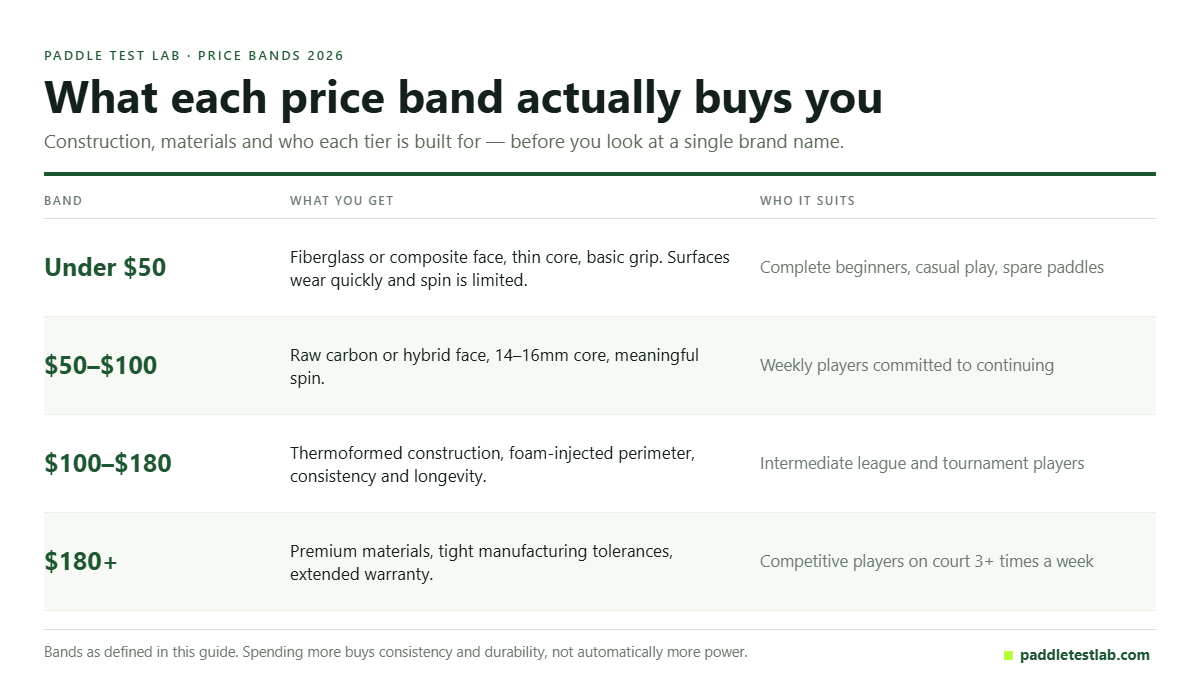
Deciding how much you should spend on a pickleball paddle gets easier once you accept that the performance curve flattens fast. The jump from a $30 starter paddle to a $90 carbon-faced paddle changes almost everything about how the ball behaves off the face. The jump from $90 to $250 changes far less, and most of what it buys is feel, spin longevity and build consistency rather than raw capability.
| Price band | What you actually get | Who it suits |
|---|---|---|
| Under $50 | Fiberglass or composite face, thinner core, basic grip. Often USA Pickleball approved and perfectly playable, but the surface texture wears quickly and spin potential is limited. | Complete beginners, casual family play, spare paddles |
| $50–$100 | Raw carbon or hybrid face, 14–16mm polypropylene core, meaningful spin. This is the single biggest value step in the market. | Anyone playing weekly who has decided they will keep playing |
| $100–$180 | Thermoformed construction, foam-injected perimeter, tighter balance consistency and longer-lasting grit. | Intermediate players entering leagues or tournaments |
| $180+ | Premium materials, tighter manufacturing tolerances, longer warranty terms. Real but incremental gains. | Competitive players and anyone on court three or more times a week |
For most people reading this, the honest recommendation is somewhere between $80 and $150. Below that you spend your time fighting the equipment; above it you are paying for refinement you will only notice once your technique is already consistent. If your budget is firm, our roundups of the best pickleball paddles under $100 and the best paddles under $50 cover what is genuinely worth buying at each ceiling.
The 7 Top-Rated Pickleball Paddles of 2026
Each entry below lists the owner-verified strengths, the most common complaints, and the player type it actually fits based on the aggregated evidence rather than the brand’s own positioning.
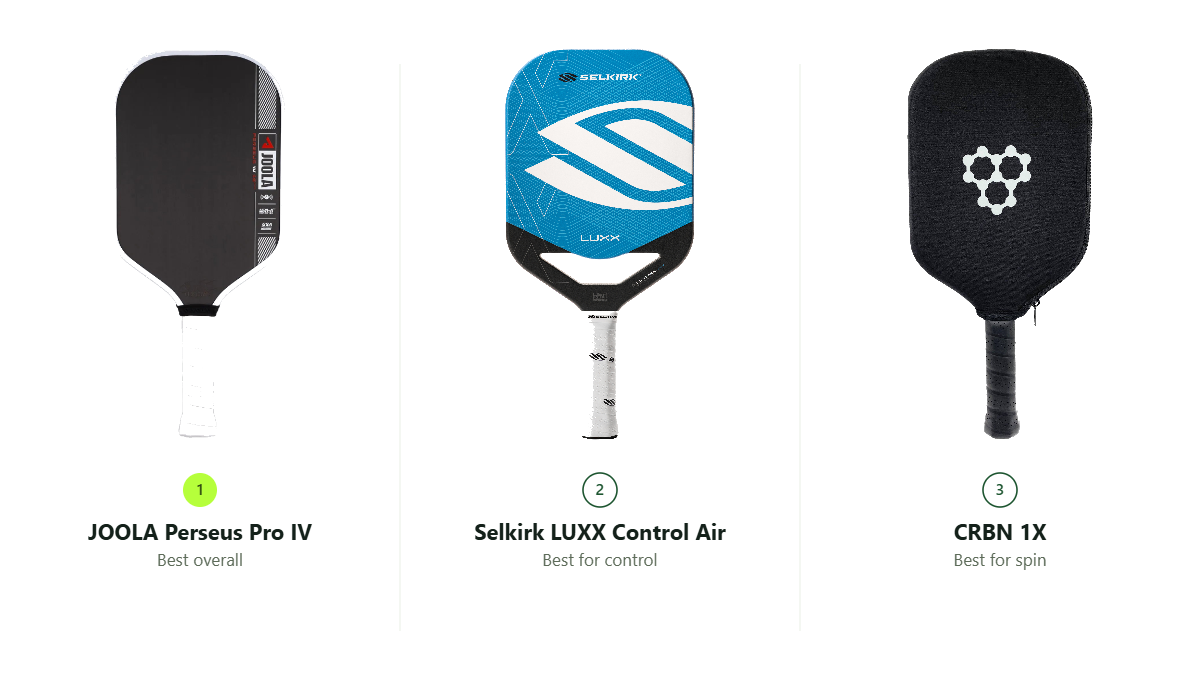
1. JOOLA Perseus Pro IV
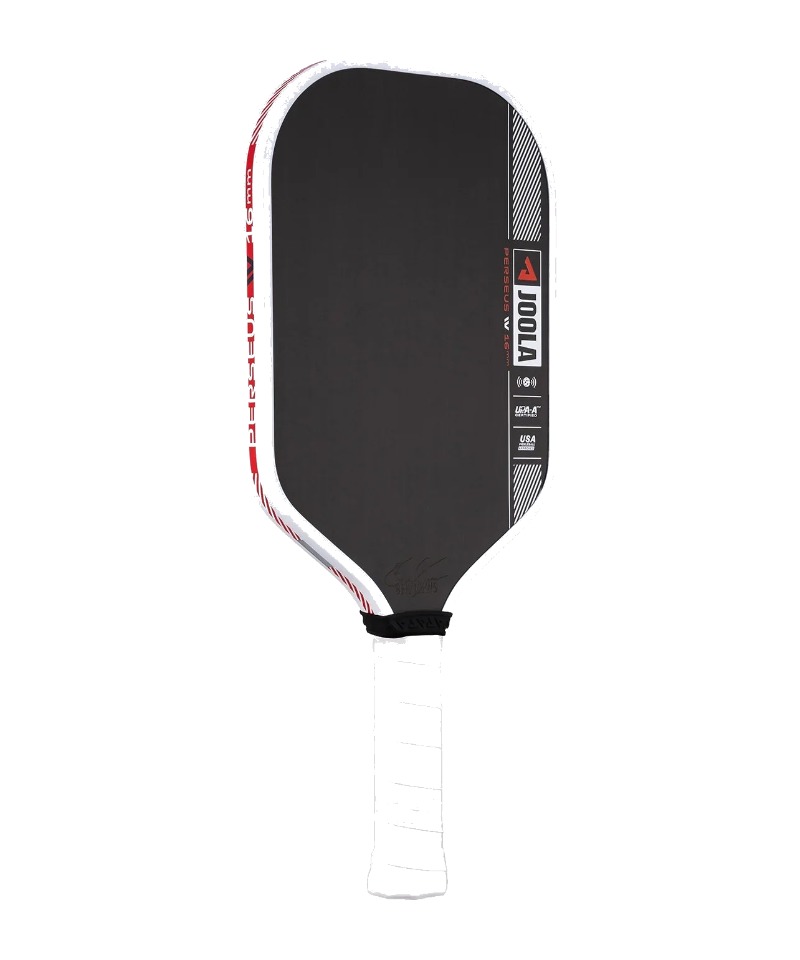
The Perseus Pro IV earns the top spot as the most complete premium paddle in the data. Owners consistently praise its balance of power and touch, and independent spin measurements place it near the top of the current RPM charts. The most frequent complaints are the price and the need for a break-in period before the surface reaches peak grab.
2. Selkirk Luxx Control Air
The Luxx Control Air is the standout pick for control-first players. Its elongated shape and 16mm core deliver exceptional dink accuracy and soft-reset stability. Owners report the paddle feels forgiving on mis-hits, though power players note it lacks the pop of thicker thermoformed rivals.
3. CRBN 1X
The CRBN 1X is the spin specialist of this list. Independent tester data consistently records some of the highest spin RPM numbers available, and the carbon surface holds its texture well over months of play. The tradeoff is a stiffer feel that takes time to adapt to, and a head-heavy balance that rewards players with clean strokes.
4. Six Zero Double Black Diamond
The Double Black Diamond balances power and control more evenly than anything else in its price band. Verified owner reviews highlight its predictable launch angle and strong third-shot drive potential. The main criticism is grip size availability, which runs limited compared with larger brands.
5. Engage Pursuit Pro EX
Engage’s Pursuit Pro EX is the durability champion. Owners across multiple seasons report the surface and edge guard hold up unusually well, and the raw carbon face produces reliable spin. It runs slightly heavier than spec, which some players love and others find tiring over long sessions.
6. Gearbox Pro Power Elongated
Gearbox’s unibody construction gives the Pro Power a distinctly solid feel and exceptional edge durability, since there is no separate edge guard to wear down. It is the pick for players who frequently punch or reset off the edge. The tradeoff is a muted, less springy response compared with cored competitors.
7. Six Zero Ruby
The Ruby is the value pick that punches above its price. Owner data shows it delivers 90% of the performance of premium thermoformed paddles at a fraction of the cost, making it the smartest buy for intermediates upgrading from a starter paddle. The main limitation is that the surface texture fades faster than carbon rivals under heavy daily play.
Best Pickleball Paddle Brands in 2026
Individual models change every season, but brands keep consistent habits — in build quality, in how they handle warranty claims, and in the kind of player they design for. If you are shortlisting the best pickleball paddle brands for 2026 rather than a single model, this is what the owner evidence points to.
| Brand | Best known for | Typical price band | Watch out for |
|---|---|---|---|
| JOOLA | Premium all-round performance and the widest professional presence | $150–$280 | Rapid model turnover; older generations can lose approval |
| Selkirk | Control-first paddles and strong warranty support | $140–$250 | Premium pricing; power players often find them muted |
| CRBN | Spin and raw carbon surface quality | $130–$220 | Stiff feel and head-heavy balance are not for everyone |
| Six Zero | Value per dollar and balanced all-court paddles | $90–$180 | Limited grip size options; popular models sell out |
| Engage | Durability and long no-dead-spot warranty terms | $120–$230 | Frequently runs heavier than the printed spec |
| Gearbox | Unibody construction and edge durability | $150–$250 | Muted, low-pop response divides opinion sharply |
| Franklin | Accessible pricing and wide retail availability | $40–$120 | Fewer premium options; surfaces wear faster |
| Vatic Pro | Direct-to-consumer pricing on thermoformed builds | $85–$130 | Smaller operation; warranty turnaround is slower |
Price bands are approximate and shift with new releases and seasonal sales. Whichever brand you choose, confirm the specific model appears on the current USA Pickleball approved list before buying it for tournament play, and check the warranty terms — they vary far more between brands than the paddles themselves do.
Which Pickleball Paddle Should You Buy in 2026?
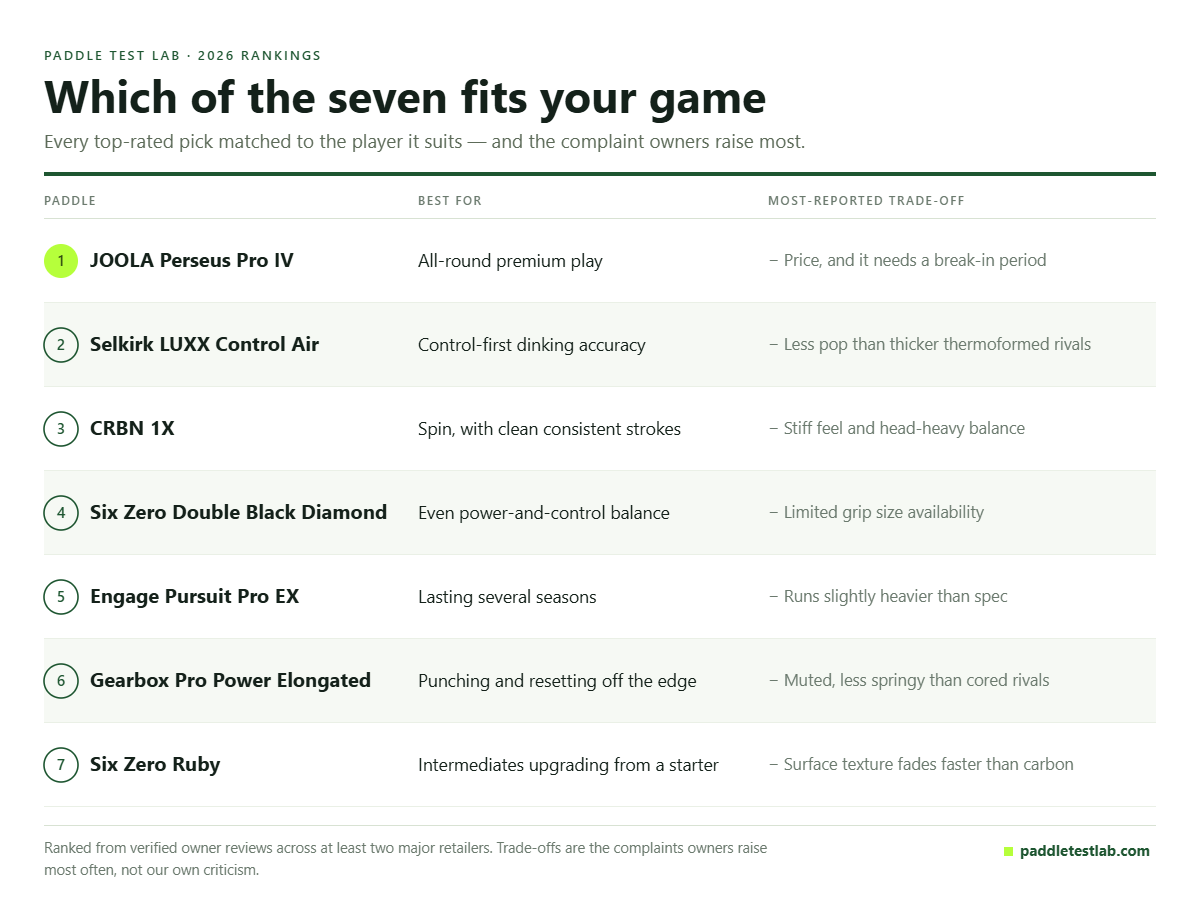
If you want the safest all-around premium choice, the JOOLA Perseus Pro IV is the best pickleball paddle for most players. If spin is your priority, the CRBN 1X leads. If you are a control-first intermediate, the Selkirk Luxx Control Air is the strongest match. Budget buyers should start with the Six Zero Ruby while they build consistency, then step up to a carbon paddle once the game demands more spin and stability.
Frequently Asked Questions
What is the best pickleball paddle for a beginner?
Beginners should prioritize control and forgiveness over raw power. A 14-16mm fiberglass or hybrid paddle with a mid-range price, like the Six Zero Ruby, lets a new player develop clean technique without fighting an aggressive paddle they cannot yet control.
Are expensive pickleball paddles worth it?
Based on the owner data, the jump from budget to mid-tier paddles delivers a clear improvement in spin and consistency. The jump from mid-tier to premium is smaller and mostly about feel and spin durability. Buy premium if you play 3+ times per week; otherwise a strong mid-tier paddle is the better value.
Does paddle weight matter?
Yes. Lighter paddles (7.3-7.8oz) generate more head speed and swing faster but provide less stability on off-center hits. Heavier paddles (8.0-8.4oz) add power and stability at the cost of arm fatigue. Choose based on your athletic background and how often elbow fatigue appears in your play.
What surface material is best?
Carbon fiber offers the most spin and longest-lasting texture. Fiberglass is cheaper and plays well but wears faster. Hybrid surfaces sit in the middle. For 2026, carbon is the recommendation for anyone serious about spin and longevity.
What is the best pickleball paddle for most players in 2026?
The JOOLA Perseus Pro IV is the strongest all-around premium choice based on verified owner reviews, USA Pickleball approval data, and independent measurements. It balances power and touch better than anything else in its class.
Is the Six Zero Ruby really the best value pickleball paddle?
Yes. The owner data shows the Ruby delivers roughly 90% of the performance of premium thermoformed paddles at a fraction of the price, making it the smartest upgrade from a starter paddle in 2026.
What paddle material is best for spin?
Carbon fiber produces the most spin and holds its surface texture longest. For the deepest dive, see our carbon fibre vs fiberglass guide, and our explainer on who actually measures spin RPM and why figures from different labs cannot be compared.
What is the best all-around pickleball paddle?
An all-around paddle is one that does not force a stylistic choice on you: a 16mm core for forgiveness, a standard or hybrid shape for a usable sweet spot, a raw carbon face for spin, and a static weight near 8.0oz with balanced rather than aggressively head-heavy weighting. Judged on those criteria, the Six Zero Double Black Diamond and the JOOLA Perseus Pro IV are the two strongest all-around choices on this list. If you are not sure which of those specs actually suit your game, work through our complete guide to choosing a pickleball paddle before committing to a model.
What paddle do pro pickleball players use?
Most touring professionals play a paddle they are contracted to endorse, so their choice reflects sponsorship at least as much as performance — worth remembering before buying a paddle because a pro’s name is on it. That said, clear patterns do exist across the professional field: elongated or hybrid shapes, 16mm thermoformed cores, raw carbon faces, and swing weights noticeably higher than most recreational players would choose. Those same specs are unforgiving on off-centre contact, which is exactly why pro-favoured paddles so often disappoint club players who try them. Our roundup of the best paddles for advanced players covers which of those characteristics genuinely transfer to 4.5+ club play and which do not.
Related guides

Isacc Shah
Isacc Shah writes PaddleTestLab. He does not test paddles in a lab and says so plainly — there is no rig, no radar gun, no staff hitting balls. Instead he aggregates independent bench measurements, manufacturer specifications, USA Pickleball's approval database and hundreds of verified owner reviews per product, then reports where those sources disagree. Every score on the site carries its evidence count. Where a specification is not published, the site writes UNKNOWN rather than estimating it, and the criticism is printed next to the praise.