
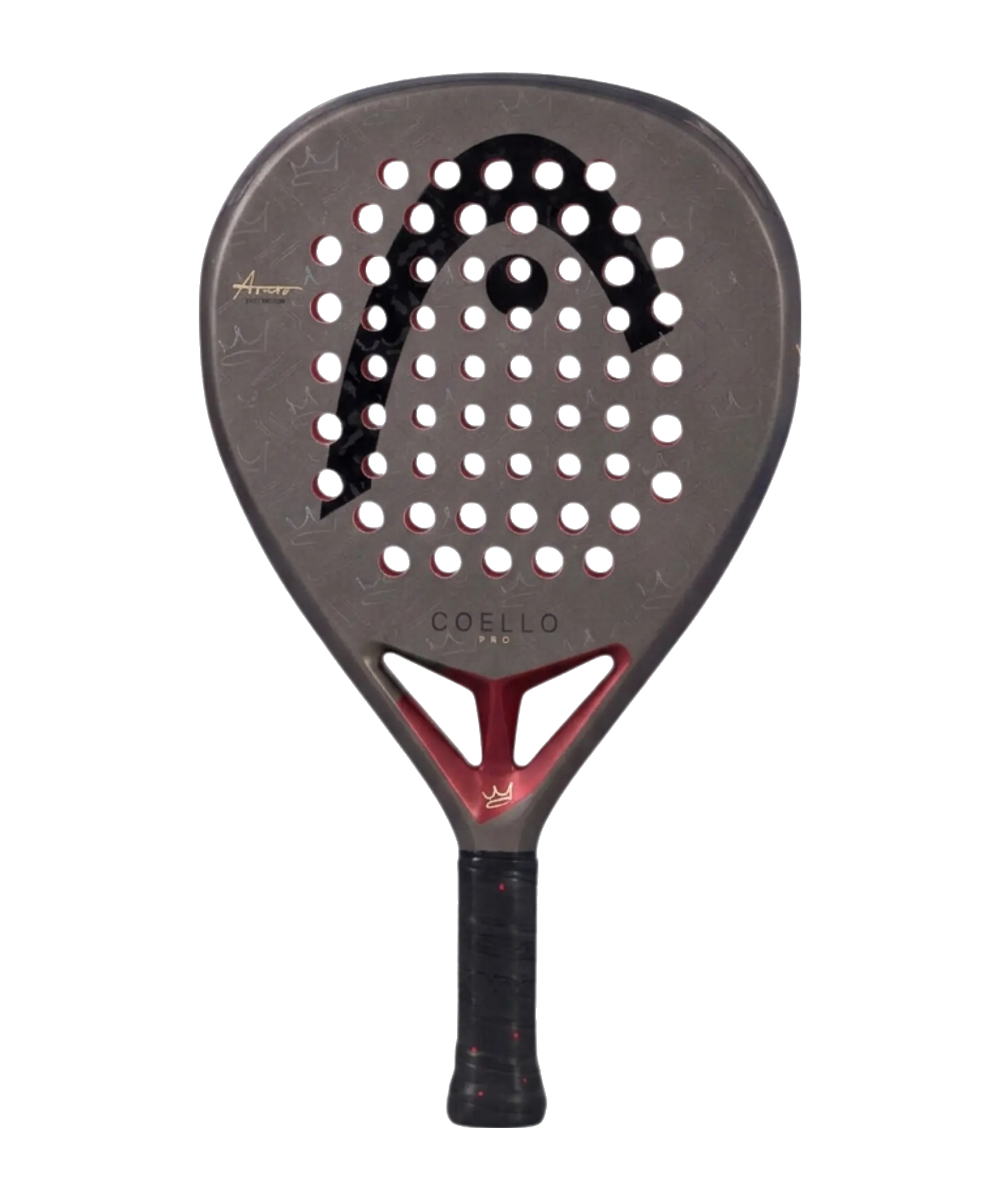
Padel vs pickleball is the question a lot of racket-sport newcomers land on once they realize tennis courts are booked solid and both of these sports are showing up at every local rec center. Both are doubles-friendly, both are billed as “easier than tennis,” and both have loud, opinionated communities defending their favorite. We pulled apart governing-body rules, verified owner reviews, and published equipment data to see where the real differences are — and where the marketing gets ahead of the evidence.
Padel vs Pickleball at a Glance
If you’re skimming, here’s the shape of it. Court size, gear, and cost diverge more than most generic comparison posts let on.
Quick comparison table: court, gear, cost, learning curve
| Category | Padel | Pickleball |
|---|---|---|
| Court | Enclosed, glass/mesh walls, doubles-only | Open court, singles or doubles |
| Racket/Paddle | Solid racket, no strings, foam/EVA core | Paddle, polymer/foam core, USAP-approved list |
| Entry gear cost | ~$59-$100 for a beginner racket | ~$50-$120 for a beginner paddle |
| Court access (US, 2026) | Limited — fewer dedicated facilities | Widespread — converted tennis/multi-use courts common |
| Learning curve | Wall play takes adjustment; owners say faster than tennis | Owners consistently report quick first-week comfort |
What Is Padel?
Padel is a doubles-only racket sport played on an enclosed court roughly a third the size of a tennis court, with glass or mesh walls that the ball can legally bounce off. It’s a hybrid of tennis and squash in spirit — you score like tennis but the walls turn defense into a whole extra skill.
Compare how the padel vs pickleball rank by price, weight, and verified owner ratings before you decide. For most players the padel vs pickleball decision comes down to feel, price and durability – and this guide weighs all three from verified owner data.
Court and scoring basics
The court is enclosed on all sides, and points are scored using traditional tennis-style scoring (15, 30, 40, game). Balls can rebound off the back and side walls before being returned, which is the single biggest structural difference from pickleball. Padel is played exclusively in doubles under International Padel Federation rules — there’s no official singles format.
Equipment needed to start
You need a padel racket (no strings — a solid face with holes, foam or EVA core), padel balls (similar to depressurized tennis balls), and non-marking court shoes. Entry-level rackets like the Babolat Contact or Head Evo Speed run roughly $59-$100 and are built specifically to be forgiving and low-vibration for new players. For a full breakdown of racket shapes and cores, see our padel racket buying guide.
What Is Pickleball?
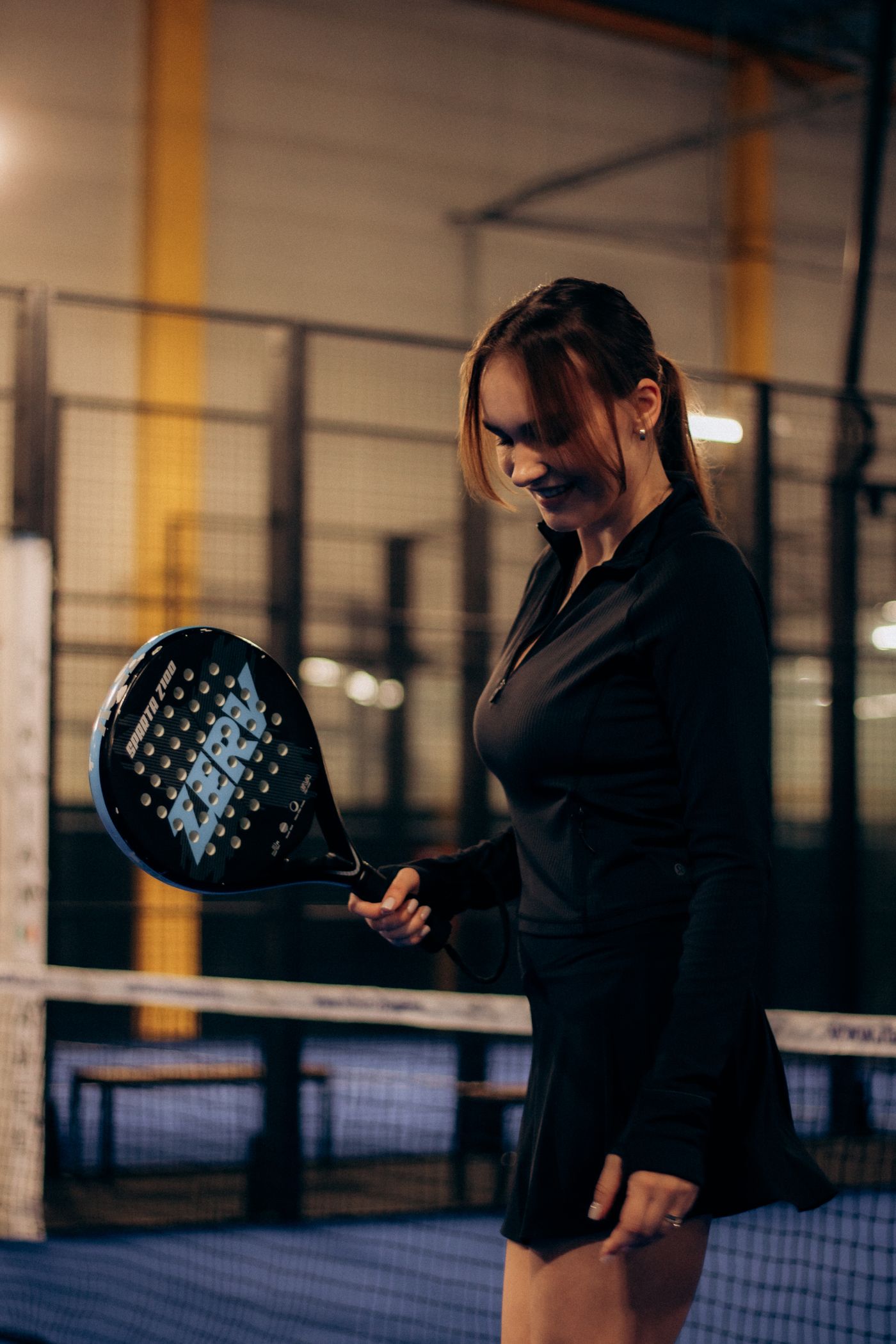
Pickleball is a paddle sport played on a badminton-sized court with a perforated plastic ball and a net lower than tennis. It can be played singles or doubles, and it’s the sport most Americans have actually stood on a court for, thanks to rapid facility conversion over the last few years.
Court and scoring basics
The court includes a “kitchen” — the non-volley zone extending seven feet from the net on each side — where players can’t volley the ball. Scoring rules have shifted in recent seasons; USA Pickleball publishes the current rulebook annually, and it’s worth checking before assuming last year’s scoring format still applies.
Equipment needed to start
You need a paddle, a perforated ball (different balls for indoor vs outdoor play), and court shoes with non-marking soles. Paddle cores are typically polymer or foam, with faces ranging from fiberglass to raw carbon fiber.
USA Pickleball approved equipment explained
USA Pickleball maintains an official list of approved paddles for sanctioned play. Paddles on the list have passed testing for surface roughness, deflection, and size limits. Most models in this guide — including budget picks like the Vatic Pro Prism and Ronbus Quanta — carry USAP approval, but it’s worth checking the current list directly before a tournament purchase. For a full roundup of beginner-friendly approved paddles, see our best pickleball paddles guide.
Padel vs Pickleball: Core Differences
Court size and enclosure walls
Padel courts are enclosed by glass or mesh walls that are part of legal play. Pickleball courts are open, with no wall play at all. This single difference reshapes strategy in each sport — padel rewards patience and angle control off the glass, while pickleball rewards quick hands at the net and soft “dinking” battles in the kitchen.
Paddle/racket design differences
Padel rackets have no strings — they’re solid faces with perforation holes, built around a foam or EVA core, in round, teardrop, or diamond shapes that shift the balance point. Pickleball paddles use a honeycomb polymer or foam core wrapped in a face material like fiberglass or raw carbon fiber, and shapes run standard, elongated, or widebody.
Ball differences
Padel balls resemble a slightly depressurized tennis ball. Pickleball balls are hard perforated plastic, with separate indoor and outdoor versions — outdoor balls have smaller, more numerous holes to resist wind.
Doubles-only vs singles option
Padel is doubles-only under governing-body rules. Pickleball supports both singles and doubles, which matters if you don’t always have a full group of four available.
Physical demand and movement patterns
Padel involves more lateral movement and overhead swings tied to wall rebounds. Pickleball leans on quick reflexes, short lunges, and a lot of time at the net. Neither sport is officially classified as “high-impact,” but owner reviews describe different fatigue patterns — padel sessions get described as more of a full-body workout, pickleball as harder on the wrists and forearms during long dinking rallies.
Cost to Get Started: Padel vs Pickleball
Court access and membership costs
Padel courts are less common in the US, and many require club membership or hourly booking fees since dedicated facilities are still being built out. Pickleball courts are far more available — many towns converted existing tennis courts, and public courts are frequently free to use.
Paddle price ranges
Entry-level padel rackets like the Babolat Contact ($59) or Head Evo Speed ($99.95) sit at a similar price point to budget pickleball paddles like the Vatic Pro Prism or Ronbus Quanta (both around $99.99-$119.99). Premium options climb fast in both sports — padel flagship rackets like the Head Coello Pro run around $379, while premium pickleball paddles like the Selkirk LABS Project Boomstik hit $332.99.
Court build/access availability by region
Padel facility growth is concentrated in specific metro markets and private clubs; owners in many regions report having to drive well outside their town to find a court. Pickleball’s court density is dramatically higher nationwide, which is the practical reason so many beginners try pickleball first — it’s simply easier to find a place to play.
Which Is Easier to Learn?
Beginner feedback themes from owner reviews
Across verified owner reviews of beginner equipment, pickleball paddles marketed for new players — the Vatic Pro Prism, Vatic Pro Saga, Selkirk SLK Halo XL Control — consistently earn praise for forgiving sweet spots and quick comfort within the first few sessions. Reviewers describe getting a rally going almost immediately.
Learning curve for wall play in padel
Padel’s wall play is the sticking point for total beginners. Judging shot angles off the glass takes repeated exposure, and owner feedback on beginner rackets like the Head Evo Speed and Head Evo Extreme repeatedly notes that new players adapt to wall rebounds within a handful of sessions, faster than most expect coming from tennis. Former tennis players in particular report an easier transition than pickleball’s low-net, soft-shot rhythm, which can feel like an entirely different sport to their instincts.
Injury Risk and Physical Demands
Common injury patterns reported by players
Pickleball has a well-documented association with “pickleball elbow,” a tendinopathy similar to tennis elbow, tied to repetitive paddle vibration and off-center hits. Owner reviews of arm-friendly paddles like the Engage Pursuit Pro1 and Six Zero Coral repeatedly reference switching equipment specifically to manage elbow or wrist pain. Padel injury discussion in owner reviews centers more on shoulder strain from overhead smashes and lower-body strain from lateral wall-chasing movement, rather than a single named condition.
Joint impact considerations for older or arm-sensitive players
Neither sport is inherently low-impact by design — that’s a marketing simplification, not a governing-body classification. Padel rackets built with soft EVA cores (Babolat Contact, Head Evo Extreme) and pickleball paddles with full-foam cores and dampening (Six Zero Coral, Engage Pursuit Pro1) are both marketed specifically toward reducing vibration transfer for arm-sensitive players, which tells you manufacturers see this as a real concern in both sports, not just one.
Claim Check: Marketing Claims vs Evidence
| Claim | Marketing says | Evidence shows |
|---|---|---|
| “Padel is easier than tennis” | Universally easier to pick up | Owner reviews support faster initial comfort for former tennis players specifically; total beginners still need real reps on wall angles |
| “Pickleball is low-impact” | Gentle on joints, safe for all ages | Widely played by older adults, but “pickleball elbow” is a recurring, named complaint in owner reviews and sports-medicine discussion — not zero-impact |
| “Any paddle works to start” | Grab any paddle and play | USAP-approved paddles vary widely in core type and vibration dampening; owner reviews show equipment choice directly affects early comfort and injury reports |
What owner reviews and published data actually show
Both “easier than tennis” and “low-impact” are true only with heavy caveats. The honest read: padel’s wall element adds a real learning curve that owner reviews confirm is faster to clear than tennis’s full stroke mechanics, but it’s not instant. Pickleball is lower-impact than tennis in terms of court coverage distance, but it’s not impact-free on the arm, and equipment choice matters more than marketing copy suggests.
Which Sport Should You Try First?
Best fit if you’re coming from tennis
Padel. The scoring system is familiar, the racket swing feels closer to tennis groundstrokes, and owner reviews from tennis converts describe a smoother transition than adjusting to pickleball’s soft-game rhythm and low net.
Best fit if you want a low-cost entry point
Pickleball, mainly because of court access. Even though beginner gear costs land in a similar range for both sports, pickleball’s court availability in the US means you can start playing without a club membership or long drive.
Best fit for social/doubles-focused play
Both work, but padel forces the doubles format — there’s no singles fallback if your group shrinks to two. Pickleball gives you flexibility to play singles or doubles depending on who shows up.
Our Verdict
Summary based on aggregated owner data
If we had to pick one number: pickleball’s broader court availability and lower first-week friction, based on aggregated owner reviews of beginner paddles, edges it out as the more accessible starting point for most newcomers — but padel’s doubles structure and tennis-friendly scoring make it the stronger pick for anyone converting from a racket-sport background.
Frequently Asked Questions
Is padel harder than pickleball?
Owner feedback suggests padel has a steeper initial learning curve because of wall play, but that gap narrows fast for anyone with a tennis background. For total beginners with no racket-sport experience, pickleball tends to feel more immediately playable.
Can pickleball paddles be used in padel?
No. Padel rackets are solid, stringless faces with a foam or EVA core and specific perforation patterns governed by International Padel Federation equipment rules. Pickleball paddles are built to different specs entirely and aren’t legal or functional substitutes in padel play.
Which sport is growing faster in 2026?
Pickleball has a longer track record of rapid US court conversion and participation growth, and facility density remains far higher nationwide. Padel’s growth is real but more concentrated in specific markets and private clubs, with dedicated court construction still catching up. We did not find a single directly comparable 2026 participation figure for both sports from one source, so treat regional growth claims with some caution.
Is padel or pickleball easier to learn for a beginner?
Pickleball edges out padel for total beginners based on recurring owner review themes around quick first-session comfort. Padel becomes competitive or better for anyone transitioning from tennis specifically.
Which sport is cheaper to start playing?
Entry gear costs are close — both sports offer solid beginner rackets/paddles in the $59-$120 range. The bigger cost driver is court access: padel often requires club membership or hourly booking, while many pickleball courts are free public facilities.
Which sport has a lower injury risk?
Neither has a clean bill of health. Pickleball has a well-known association with elbow tendinopathy from repetitive vibration; padel’s reported strain patterns lean toward shoulder and lateral movement. Equipment choice — dampened cores, arm-friendly builds — appears to meaningfully affect owner-reported comfort in both sports.
Is padel bigger than pickleball in the US in 2026?
No, not based on court count and facility availability. Pickleball remains far more widespread across the US as of 2026, though padel facility construction is expanding in select metro markets.
Do you need a partner for both sports (are they doubles-only)?
Padel is doubles-only under governing-body rules — you always need three other players. Pickleball supports both singles and doubles, so you can play with just one opponent if needed.
Reference: USA Pickleball — official rules, equipment standards, and the approved-paddle list.
Check our padel vs pickleball scorecard at the end for a side-by-side verdict. Whether you need the padel vs pickleball or a competing option, compare every spec before you commit.
Can you play both padel and pickleball?
Yes, and many players do. The swings and court movements are different enough that you can enjoy both sports.

Isacc Shah
Isacc Shah writes PaddleTestLab. He does not test paddles in a lab and says so plainly — there is no rig, no radar gun, no staff hitting balls. Instead he aggregates independent bench measurements, manufacturer specifications, USA Pickleball's approval database and hundreds of verified owner reviews per product, then reports where those sources disagree. Every score on the site carries its evidence count. Where a specification is not published, the site writes UNKNOWN rather than estimating it, and the criticism is printed next to the praise.