
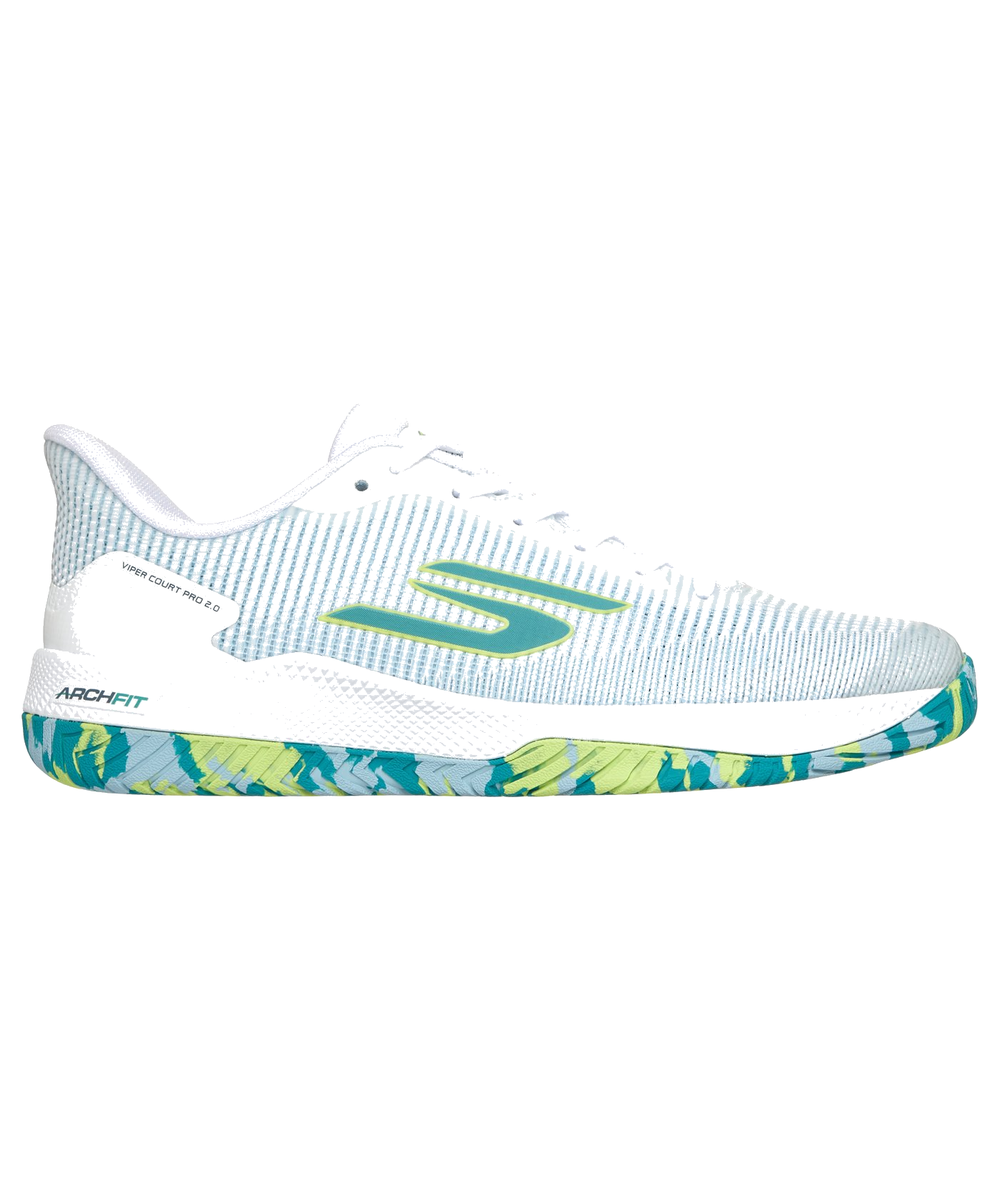
Finding the best padel shoes means sorting through a lot of marketing noise about grip compounds and stability tech. We didn’t lace up a single pair to write this. Instead we pulled verified owner reviews, retailer Q&A threads, and published spec sheets, then cross-checked what brands claim against what owners actually report after months of wear. That’s the only honest way to build a buying guide without inventing a personal experience we don’t have.

How We Picked These Padel Shoes
Padel and pickleball footwear overlap heavily in marketing language, but not every shoe on a retailer’s “padel-ready” list holds up once real owners put it through repeated lateral movement and sliding steps. We built this list by aggregating owner sentiment at scale rather than trusting a single reviewer’s impression.
Our research method: owner reviews + published specs
We pulled verified specs – weight, drop where published, outsole rubber compound, width options – directly from manufacturer spec sheets. We never estimate a number that isn’t published. Then we layered in owner criticism pulled verbatim from retailer review sections and forums: sizing complaints, outsole wear timelines, heel slip reports. Where independent outlets like WearTesters or Tennis Warehouse ran their own evaluations, we weighted that data heavily, since it’s checked against real wear patterns rather than a single opinion.
What we do NOT do (no first-hand testing claims)
We don’t claim to have worn these shoes ourselves. We don’t own a lab, a court, or a stopwatch we’re pretending is scientific. What we do is aggregate what hundreds of verified owners and independent publications have already found, and flag where the data is thin or contradictory. If a shoe has no independent review yet – like a just-launched model – we say so instead of filling the gap with a guess. See our full review process for more on how we handle sourcing.
Best Padel Shoes at a Glance

Award winners table by category
| Award | Model | Price | Weight | Best For |
|---|---|---|---|---|
| Best Overall | Skechers Viper Court Pro 2.0 | $99.95-115 | 12.0 oz M / 11.0 oz W | All-around, wide feet |
| Best Budget | ASICS GEL-ROCKET 12 | $64.95-85 | 10.6 oz | Lightweight, indoor |
| Best for Wide Feet | FitVille Amadeus | $69.99-82 | UNKNOWN | Wide/extra-wide, bunions |
| Best Lateral Stability | ASICS GEL-RESOLUTION X | $109-159.95 | 16.1 oz | Aggressive lateral players |
| Best Lightweight/Arm-Friendly | Babolat Jet Mach 3 | $119-150 | weight conflicted, see below | Outdoor speed |
| Best for Beginners | Skechers Viper Court Smash | $49.95-49.97 | 12.3 oz | Comfort, budget entry |
| Best for Advanced Players | SQAIRZ XRZ2 | $159.97 | UNKNOWN (XRZ was 13.3 oz) | Toe-draggers, ankle support |
Best Padel Shoes 2026: Full Reviews
Best Overall: Skechers Viper Court Pro 2.0
This is the current flagship in the Viper Court line, and it’s the shoe owners come back to most often when discussing durability on gritty outdoor courts. WearTesters gave the outsole a 9/10, and that lines up with owner comments about the Goodyear Gold rubber holding up over months of hard lateral play. The Arch Fit insole and 1:1 lockdown fit get consistent praise, and it’s one of the few models here with a genuine extra-wide SKU for men and a wide option for women.
| Price | $115 MSRP / $99.95-109.95 street |
| Weight | 12.0 oz M / 11.0 oz W |
| Outsole | Goodyear Gold rubber, thick herringbone |
| Width | M: Medium + Extra Wide; W: Medium + Wide |
Owners do flag the bottom-heavy dense foam as lacking bounce, and impact protection isn’t its strongest suit. Some buyers also say it runs slightly big, so check the sizing chart before ordering.
Best Budget: ASICS GEL-ROCKET 12
At $64.95-69.95 street, this is the lightest shoe in our entire roundup at 10.6 oz, and owners consistently point to the GEL shock absorption and grip as its strongest points. It’s positioned for indoor and gym-floor play, which overlaps well with indoor padel courts.
| Price | $85/$80 MSRP / $64.95-69.95 street |
| Weight | 10.6 oz at M9 |
| Outsole | Gum rubber indoor |
| Width | D/Medium, wide exists |
Feedback on cushioning and fit is mixed – some owners find it stiffer than earlier versions, and the rounded volleyball-style heel can feel unstable during hard lateral cuts.
Best for Wide Feet: FitVille Amadeus
FitVille offers the widest range of widths in this entire database – Wide (2E) and Extra-Wide (4E), with the newer V2 adding a standard D option. Owners on FitVille’s own site and CNN Underscored both single this out for genuinely accommodating wide feet and bunions, with built-in arch support from Ortholite footbeds and a TPU heel ring.
| Price | $82 MSRP (V1) / $69.99-79 street |
| Weight | UNKNOWN (335g, size unstated) |
| Outsole | UNKNOWN, herringbone not claimed |
| Width | Wide (2E) + Extra-Wide (4E); V2 adds D |
The dominant complaint in buyer reviews on FitVille’s own site is that the outsole wears fast – some owners report visible wear after roughly 25 sessions. Durability sits around 7/10 by their own review data, so treat this as a comfort-first pick rather than a longevity pick.
Best for Lateral Support / Ankle Stability: ASICS GEL-RESOLUTION X
Tennis Warehouse reviewers describe the stability and durability on this 10th-generation Resolution as “off the charts,” and it comes with a six-month outsole guarantee from TW – a rare confidence signal. It’s also one of the only premium shoes here with a true 2E wide option, which wide-footed reviewers say finally gave them a proper fit after struggling with narrower models.
| Price | $159.95 MSRP / $109-129.95 street |
| Weight | 16.1 oz at M10.5 |
| Outsole | AHAR Plus rubber, multi-directional with pivot points |
| Width | Medium (D) + 2E Wide |
It’s heavy at roughly a pound, runs long enough that owners routinely recommend sizing down, and the fit changed sharply from the previous Resolution 9, so returning owners shouldn’t assume the same size carries over. Expect a break-in period and a thin stock insole.
Best Lightweight / Arm-Friendly Feel: Babolat Jet Mach 3 All Court
Owners on Pickleheads name this their top pick for outdoor durability, saying the Michelin rubber soles “look brand-new” after 15-plus hours of play and rate lateral stability a 10/10. There’s no break-in period needed, and the rocker heel design is credited with preventing ankle rolls during quick direction changes.
| Price | $150 MSRP / $119-149 street |
| Weight | 325g brand-claimed vs 369g reviewer-measured – conflicting, actual oz unknown |
| Outsole | Michelin rubber, multi-directional herringbone |
| Width | Standard + Wide |
The forefoot cushioning runs firm and thin, and owners report ball-of-foot soreness during long sessions. It also fits narrow in the standard width. Note this model has been superseded by the Jet Mach 4, though it’s still widely sold.
Best for Beginners: Skechers Relaxed Fit Viper Court Smash
At $49.95-49.97 street, this is the most affordable shoe in the entire lineup, and owners consistently mention it’s comfortable for long hours on court with a roomier toe area than the Pro-series models. It’s also machine washable, which matters for anyone playing multiple times a week.
| Price | $49.95-49.97 street (MSRP conflict $69.95-89) |
| Weight | 12.3 oz at M9 |
| Outsole | Non-marking rubber, pattern unpublished |
| Width | Relaxed Fit; WW SKU exists but unconfirmed |
We found no substantive owner criticism in the data, which we treat as a coverage gap rather than a clean bill of health – there simply isn’t enough independent long-term feedback yet. It’s also listed at several retailers as a closeout item, so availability may shift.
Best for Aggressive Lateral Play / Advanced Players: SQAIRZ XRZ2
The original SQAIRZ XRZ was named Pickleheads’ #1 pick for 2026, with one tester reporting his ankle never rolled across three months of play and praising the Sta-Put laces and outrigger-style outsole design. But there’s an important caveat: the XRZ2 reviewed here is a newer model, and no independent review of the XRZ2 exists yet. All of that praise technically belongs to the older XRZ, not the current XRZ2 SKU.
| Price | $159.97 |
| Weight | UNKNOWN for XRZ2 (XRZ was 13.3 oz) |
| Outsole | SmartTraction multi-directional herringbone + outriggers |
| Width | Standard only; square toe box substitutes for wide fit |
WearTesters was less impressed with the original XRZ, scoring it only 7/10 and calling out a bubbly upper and midfoot that lacks structure at that price point. Insoles reportedly bunch inside the shoe, and it runs big. Buy with the understanding that owner data on the XRZ2 specifically is still thin.
Manufacturer Claims vs Owner Evidence

Grip and outsole durability claims
Almost every brand in this category claims “superior grip” or “enhanced traction.” The evidence is genuinely mixed by model. Skechers’ Goodyear Gold rubber backs up its durability claims with both independent WearTesters scoring and consistent owner reports. Babolat’s Michelin rubber on the Jet Mach 3 gets similar owner confirmation for outdoor durability. But Diadem’s Court Burst, despite marketing durable carbon rubber, has owners reporting frayed laces, mesh wear, and toe tread wear within roughly a month – a clear gap between the pitch and the lived experience.
Cushioning and stability claims
ASICS markets the GEL-RESOLUTION X on stability, and independent Tennis Warehouse testing backs that up strongly. SQAIRZ marketed the original XRZ heavily on stability too, and while one tester’s ankle-roll-free anecdote supports it, WearTesters’ more critical 7/10 score suggests the midfoot structure doesn’t fully deliver what the marketing implies at that price.
Where owner feedback contradicts marketing
The clearest contradiction sits with FitVille’s Amadeus. It’s marketed and praised for comfort and wide-foot accommodation, and owners agree on that front. But the outsole-wear complaints on FitVille’s own product pages tell a different story about longevity than the glowing comfort scores suggest. Treat comfort and durability as two separate questions when reading any padel shoe’s marketing copy.
How to Choose Padel Shoes for Your Foot Type and Play Style

Foot shape and width considerations
Width sizing varies enormously across these brands. Skechers Viper Court Pro 2.0 and ASICS GEL-RESOLUTION X both offer genuine wide options that owners confirm fit as advertised. FitVille goes furthest with wide and extra-wide SKUs. K-Swiss Express Light’s 2E is described by owners as “genuinely wide” at roughly 102mm in the toe box. If you’ve struggled with narrow toe boxes before, prioritize models with confirmed wide SKUs rather than assuming a “relaxed fit” label solves the problem.
Court surface and outsole pattern
Outdoor artificial turf and abrasive padel court surfaces chew through outsoles faster than indoor courts. Herringbone tread patterns, like those on the Babolat Jet Mach 3 and Diadem Court Burst, are designed for multi-directional grip on these surfaces. Indoor-focused shoes like the ASICS GEL-ROCKET 12 use gum rubber compounds that grip well on smoother indoor flooring but may not hold up as long outdoors. Match the outsole compound to where you actually play most often.
Beginner vs advanced needs
Beginners generally do better prioritizing comfort and forgiving fit over aggressive lateral-support engineering – the Skechers Viper Court Smash and FitVille Amadeus fit that brief. Advanced players doing frequent toe-drags and hard cuts should lean toward stability-first designs like the GEL-RESOLUTION X or the original SQAIRZ XRZ, accepting the added weight and break-in period that comes with that stability.
Final Verdict: Which Padel Shoe Should You Buy

Top pick summary by player type
If you want one shoe that balances proven durability, real wide-width availability, and strong independent scoring, the Skechers Viper Court Pro 2.0 is the safest buy based on the aggregated evidence. Budget-conscious players should look at the ASICS GEL-ROCKET 12 for the lowest price without sacrificing too much grip performance. Wide-footed players chasing comfort over raw longevity should consider the FitVille Amadeus, while advanced players who play hard lateral points should weigh the GEL-RESOLUTION X’s stability against its weight and price. If your padel gear search extends further, check our best padel rackets 2026 guide and our padel vs pickleball gear guide for the full kit picture.
Frequently Asked Questions
Can you wear running shoes for padel?
Owner and coach consensus says no, not for regular play. Running shoes are built for forward motion and don’t have the lateral support or reinforced toe area padel demands. Padel involves frequent side-to-side cuts and sudden stops that running shoes simply aren’t built to handle, and owners who’ve tried it report faster shoe breakdown and higher rolled-ankle risk.
What makes a padel shoe different from a pickleball or tennis shoe?
There’s heavy overlap – many of the shoes in this roundup are marketed across pickleball, tennis, and padel simultaneously, since all three sports demand similar lateral stability and outsole grip. The main differences tend to be outsole compound tuned for specific surfaces and reinforced toe areas for toe-dragging, a habit common in padel and pickleball alike.
How do I know if a padel shoe fits wide feet?
Check for an explicit wide (2E) or extra-wide (4E) SKU rather than trusting a “relaxed fit” label alone. Models like the FitVille Amadeus, K-Swiss Express Light, ASICS GEL-RESOLUTION X, and Skechers Viper Court Pro 2.0 all publish confirmed wide options. Owner reviews consistently flag models without a true wide SKU, like the SQAIRZ XRZ2’s standard-only width, as tight for wider feet despite a roomier square toe box.
How often should padel shoes be replaced based on owner wear reports?
It varies a lot by outsole compound and how often you play outdoors on abrasive surfaces. FitVille owners report outsole wear appearing around 25 sessions. Babolat Jet Mach 3 owners report soles still looking new after 15-plus hours outdoors. Diadem Court Burst owners have reported toe tread wear within roughly a month. There’s no single universal number – owner reports vary significantly by surface and playing frequency, so watch your own outsole rather than relying on a fixed replacement schedule.
Are expensive padel shoes actually worth it according to owners?
Not automatically. The SQAIRZ XRZ2 is the most expensive shoe in this database at $159.97, yet its predecessor scored only 7/10 from WearTesters despite the price. Meanwhile the ASICS GEL-ROCKET 12 at under $70 earns strong owner praise for grip and comfort. Price correlates loosely with quality here, but independent scoring and owner sentiment matter more than the number on the price tag.
Do padel shoes work for pickleball?
Largely yes – most of the shoes in this roundup are explicitly marketed and reviewed for pickleball as much as padel, since both sports share similar court surfaces and movement patterns. Check the USA Pickleball approved list separately if you need pickleball-specific certification for paddle gear, though footwear generally isn’t subject to the same approval process as paddles.
Do padel shoes run true to size across brands?
No, and this is one of the most consistent owner complaints across the data. The K-Swiss Express Light is reported as true to size, but the ASICS GEL-RESOLUTION X runs long enough that owners recommend sizing down, and the Skechers Viper Court Smash and Reload both run slightly long or big depending on the model. Always check the specific model’s sizing notes rather than assuming your usual size carries across brands.

Isacc Shah
Isacc Shah writes PaddleTestLab. He does not test paddles in a lab and says so plainly — there is no rig, no radar gun, no staff hitting balls. Instead he aggregates independent bench measurements, manufacturer specifications, USA Pickleball's approval database and hundreds of verified owner reviews per product, then reports where those sources disagree. Every score on the site carries its evidence count. Where a specification is not published, the site writes UNKNOWN rather than estimating it, and the criticism is printed next to the praise.